
Chaffee
Chaffee
This personal project is a recreation of Casio's classic watch series
Year
2022 fall
type
solo project
Category
Product design
Background
Background
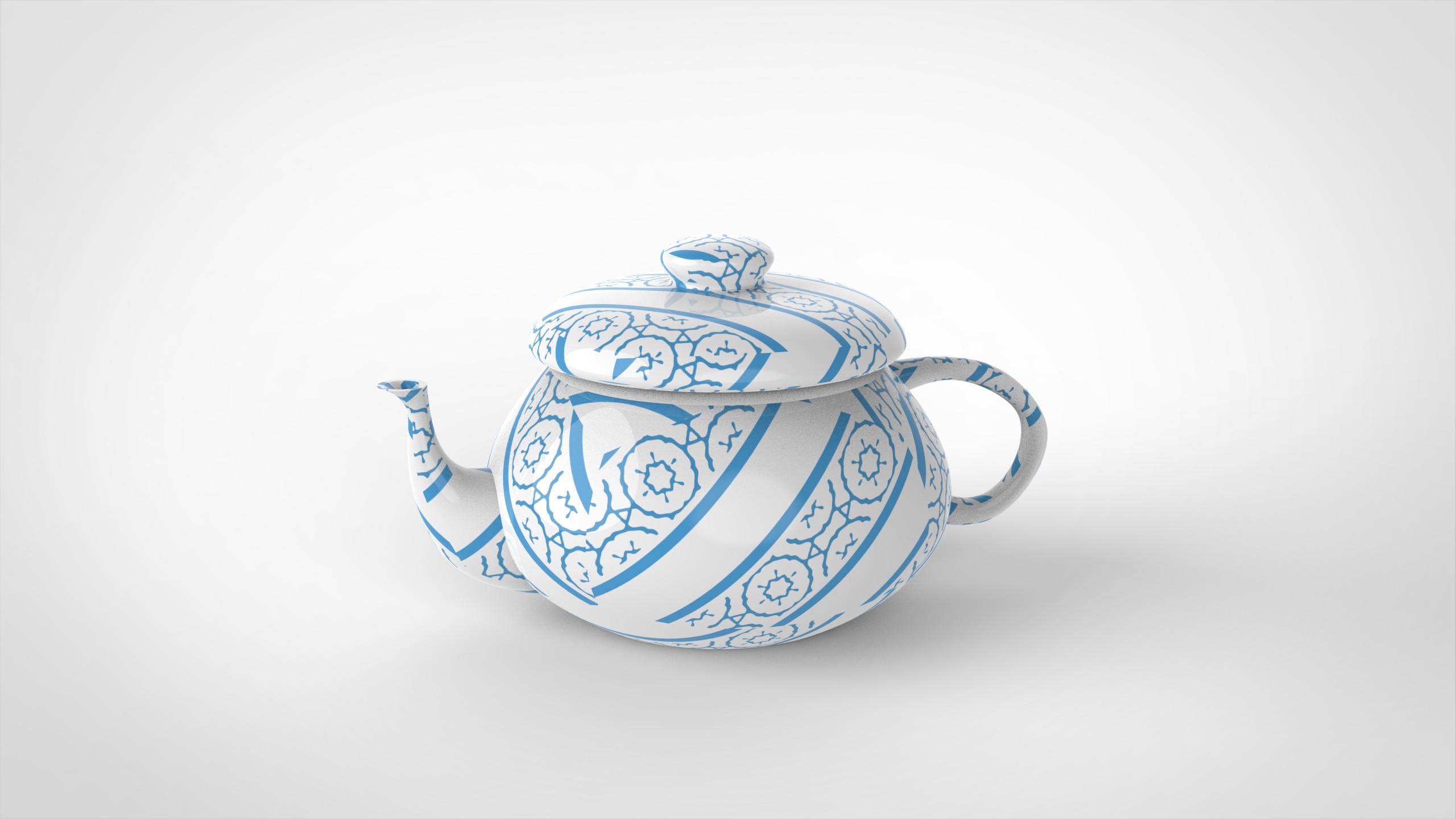
Tea culture is one of the most important rituals in Chinese history. People not only drink tea at leisure but also at business occasions, especially among politicians. The tea culture is has been a symbol of China. Thus, a good tea pot is such a necessity for a good tea drinking experience.
Tea culture is one of the most important rituals in Chinese history. People not only drink tea at leisure but also at business occasions, especially among politicians. The tea culture is has been a symbol of China. Thus, a good tea pot is such a necessity for a good tea drinking experience.
Background
Tea culture is one of the most important rituals in Chinese history. People not only drink tea at leisure but also at business occasions, especially among politicians. The tea culture is has been a symbol of China. Thus, a good tea pot is such a necessity for a good tea drinking experience.
Research
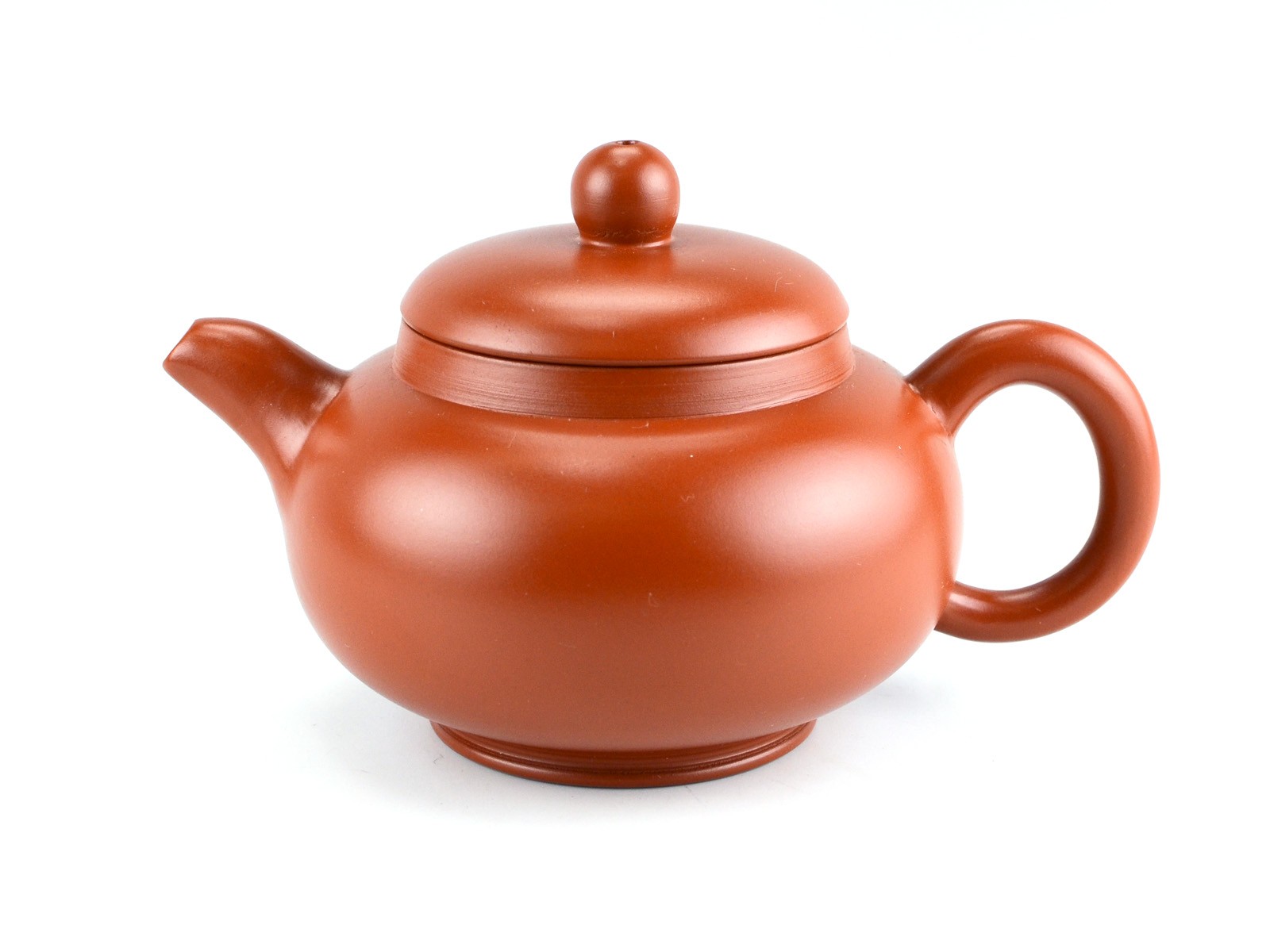
Traditional Chinese Teapot (Yixing Clay)
Pros:
Materiality and Aesthetics: The design places a strong emphasis on the material, often using Yixing clay. This specific clay is known for its porous nature, which absorbs the tea's aroma over time, enhancing future brews.
Craftsmanship: The production of these teapots can be very intricate, reflecting a high level of traditional craftsmanship and making them aesthetically valuable.
Cons:
Maintenance: They can be difficult to clean due to their porous, unglazed interior and are susceptible to retaining flavors, requiring dedication to a single type of tea.
Durability: The ceramic material is fragile and prone to breaking if not handled with care.
Traditional Chinese Teapot (Yixing Clay)
Pros:
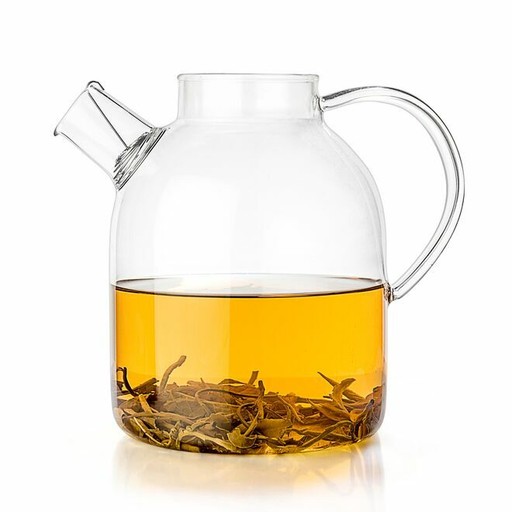
Functionality: Typically includes a built-in filter or infuser, which simplifies the brewing process by keeping tea leaves separate from the water.
Ease of Cleaning: The non-porous glass surface is very easy to clean and does not retain odors or flavors, allowing for different types of tea to be brewed.
Visual Experience: The transparent glass allows the user to watch the tea leaves unfurl and judge the strength of the brew by its color.
Cons:
Aesthetics: Lacks the traditional, handcrafted appearance and cultural resonance of a classic ceramic teapot.
Traditional Chinese Teapot (Yixing Clay)
Pros:
Materiality and Aesthetics: The design places a strong emphasis on the material, often using Yixing clay. This specific clay is known for its porous nature, which absorbs the tea's aroma over time, enhancing future brews.
Craftsmanship: The production of these teapots can be very intricate, reflecting a high level of traditional craftsmanship and making them aesthetically valuable.
Cons:
Maintenance: They can be difficult to clean due to their porous, unglazed interior and are susceptible to retaining flavors, requiring dedication to a single type of tea.
Durability: The ceramic material is fragile and prone to breaking if not handled with care.
Traditional Chinese Teapot (Yixing Clay)
Pros:
Functionality: Typically includes a built-in filter or infuser, which simplifies the brewing process by keeping tea leaves separate from the water.
Ease of Cleaning: The non-porous glass surface is very easy to clean and does not retain odors or flavors, allowing for different types of tea to be brewed.
Visual Experience: The transparent glass allows the user to watch the tea leaves unfurl and judge the strength of the brew by its color.
Cons:
Aesthetics: Lacks the traditional, handcrafted appearance and cultural resonance of a classic ceramic teapot.
design statement
design statement
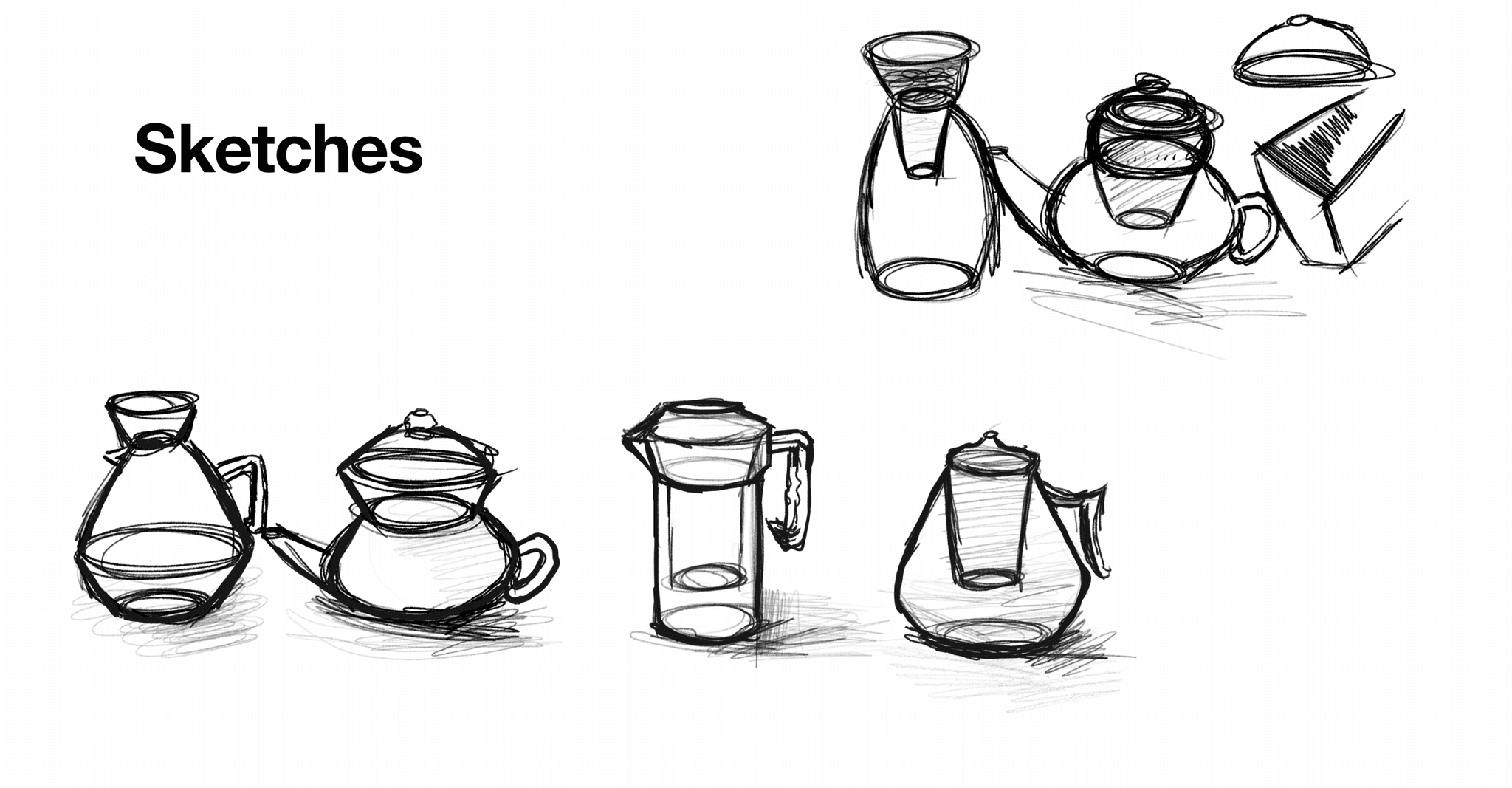
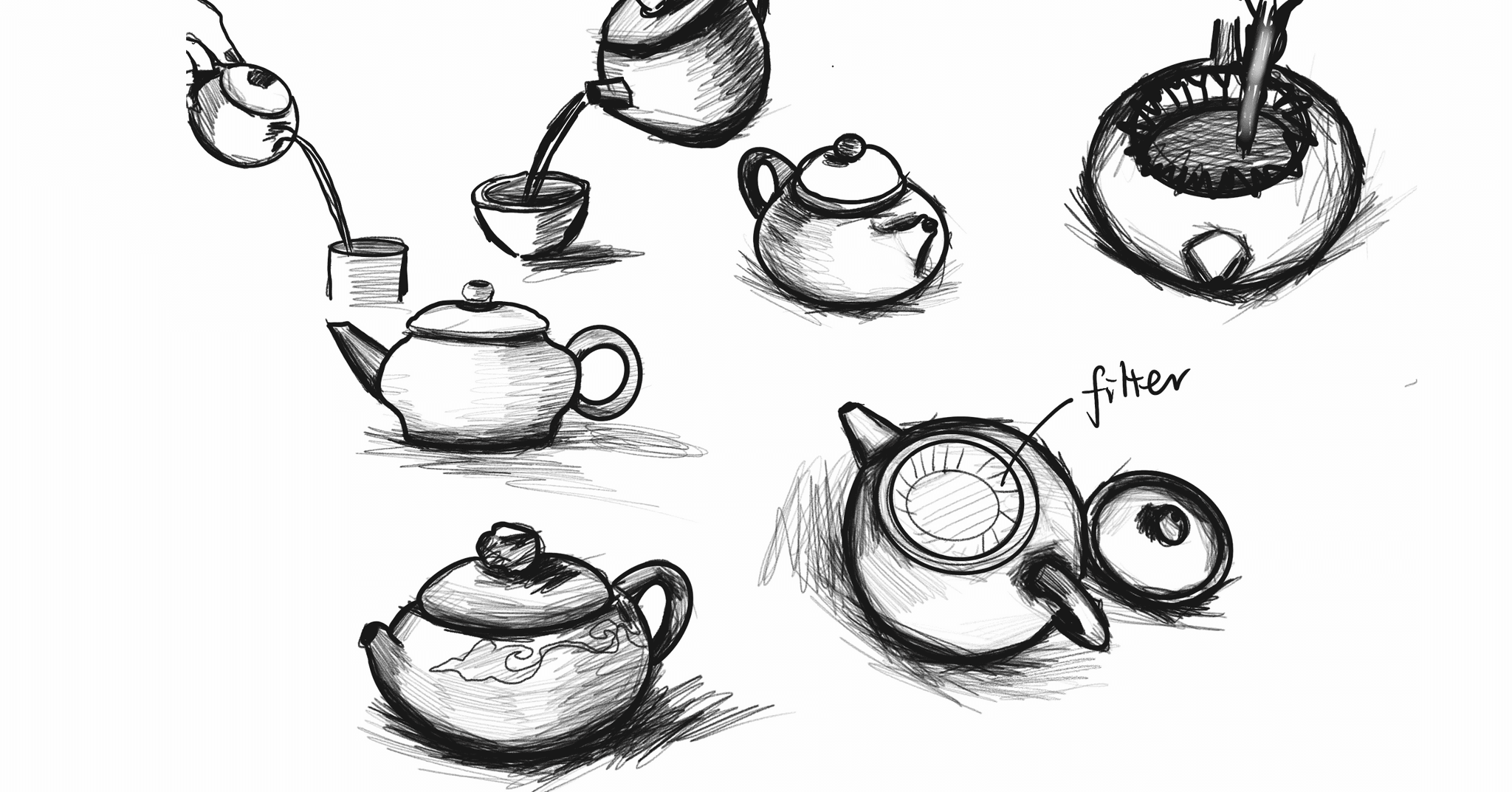
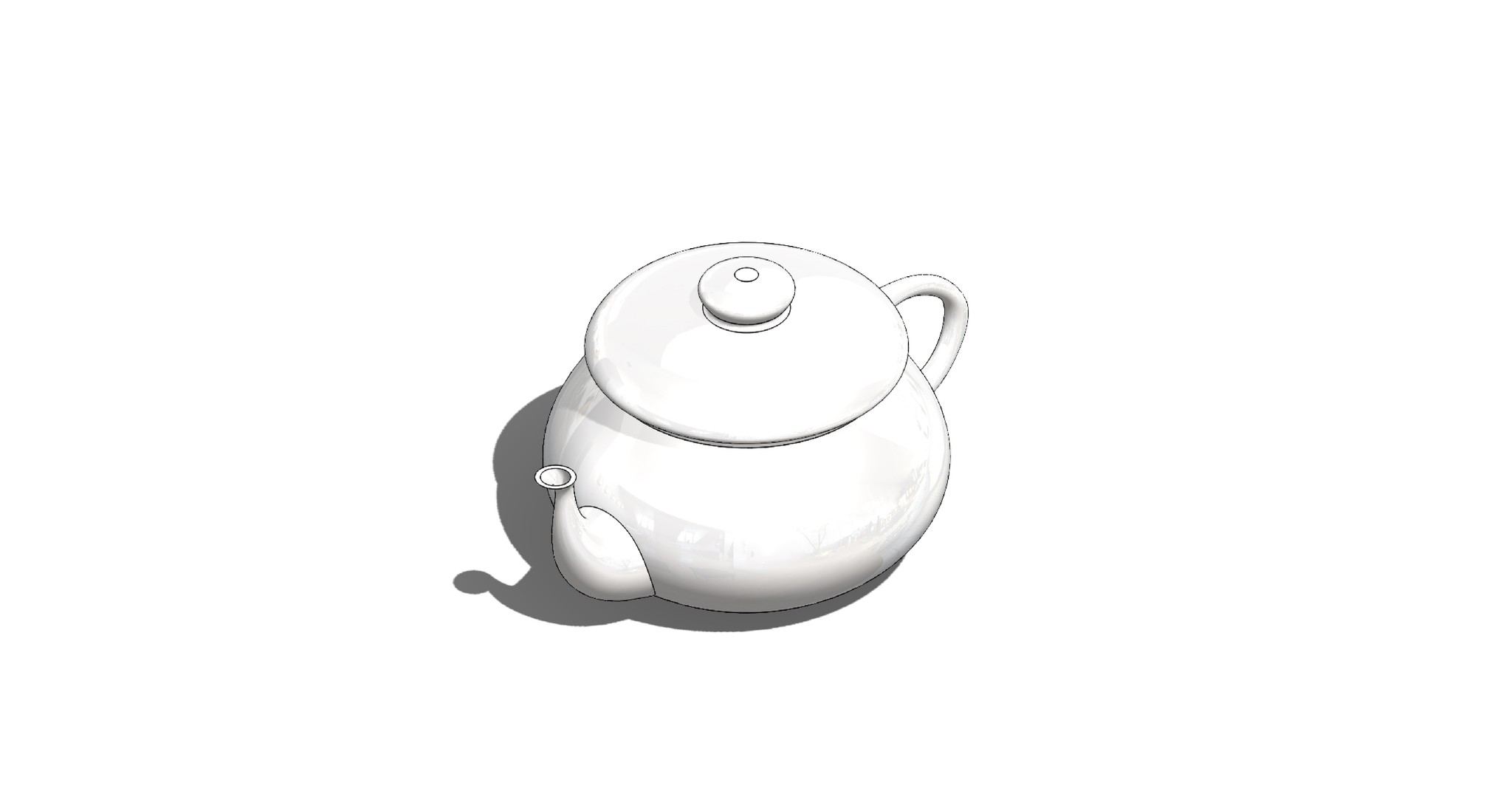
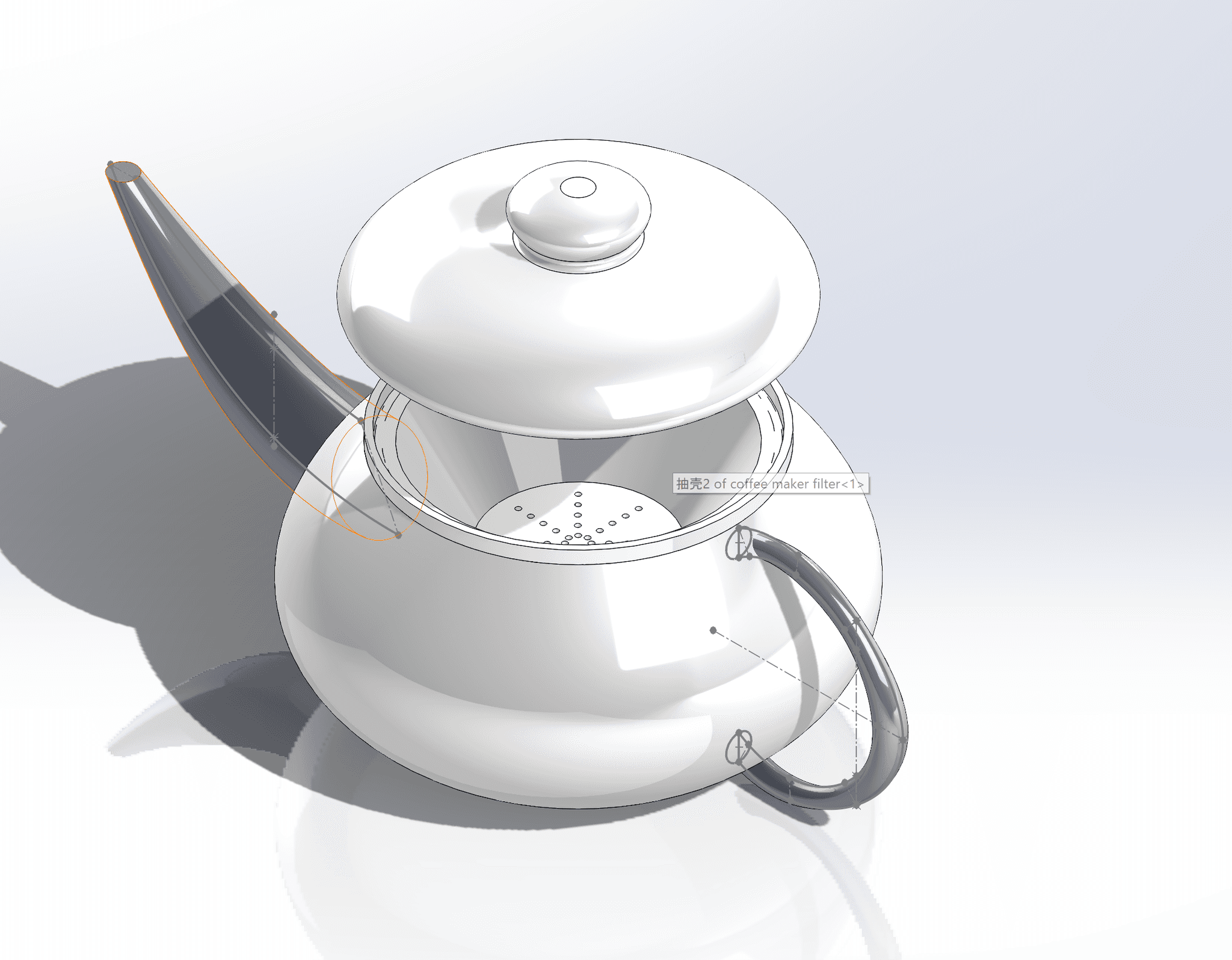
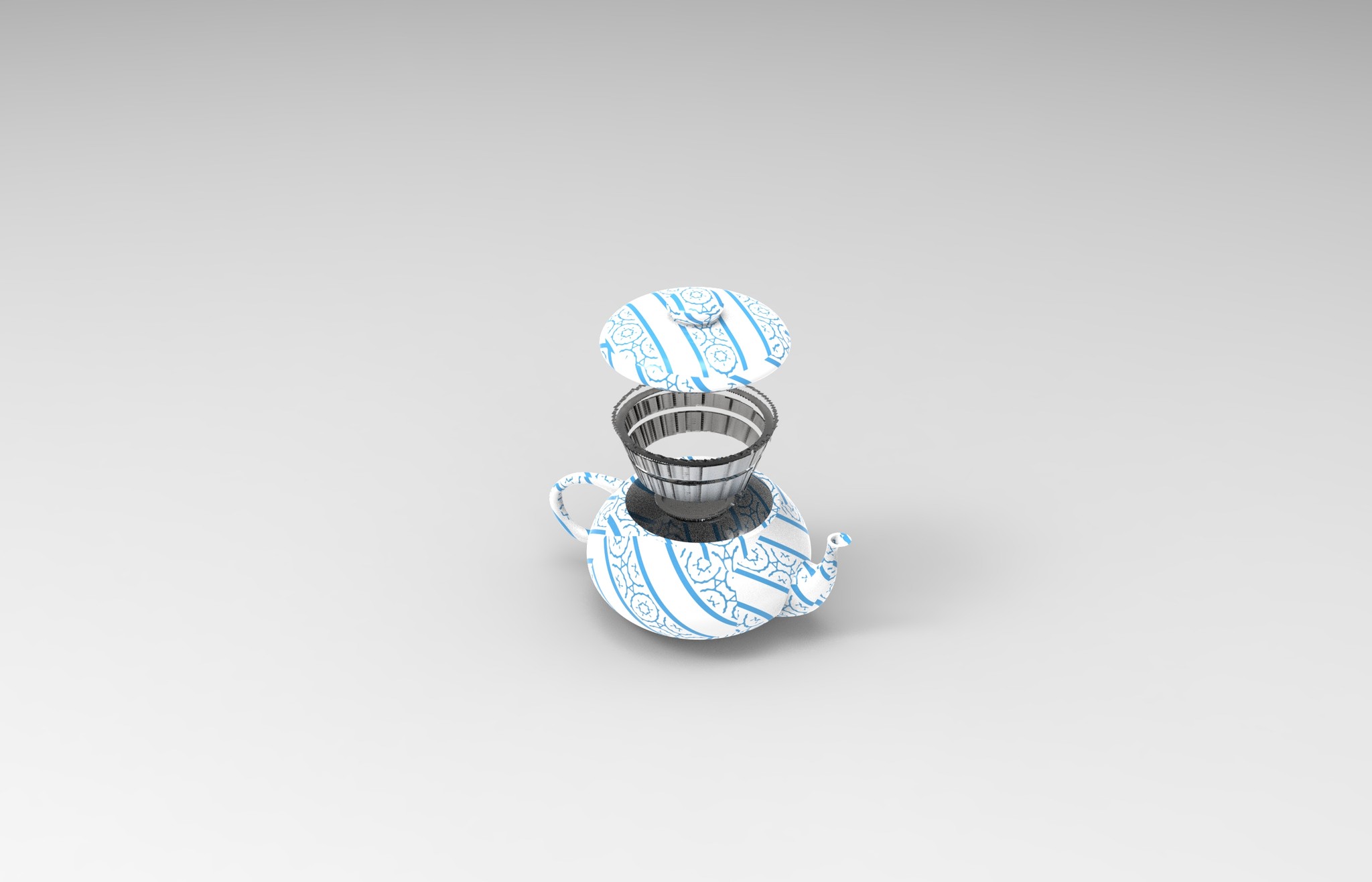
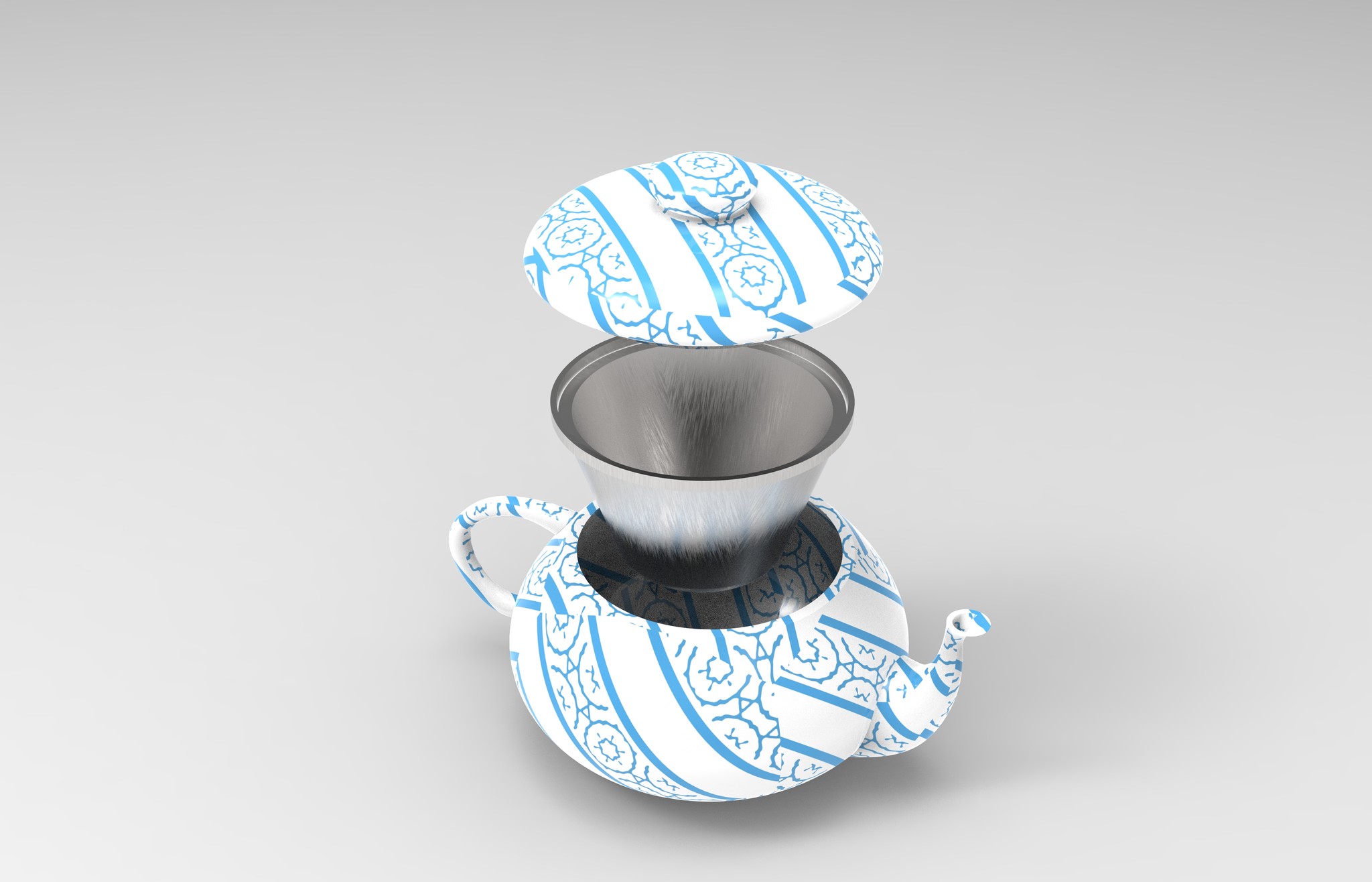
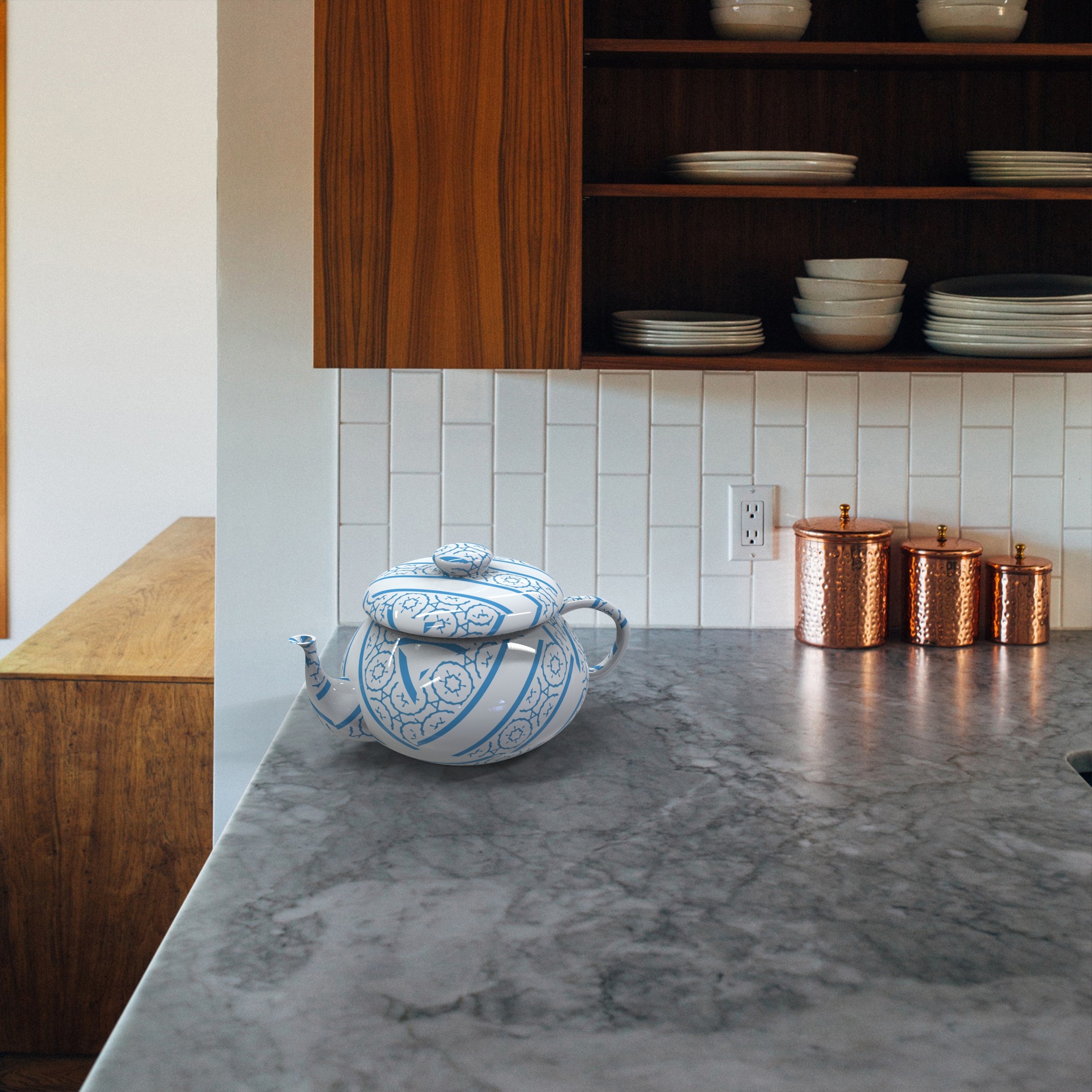
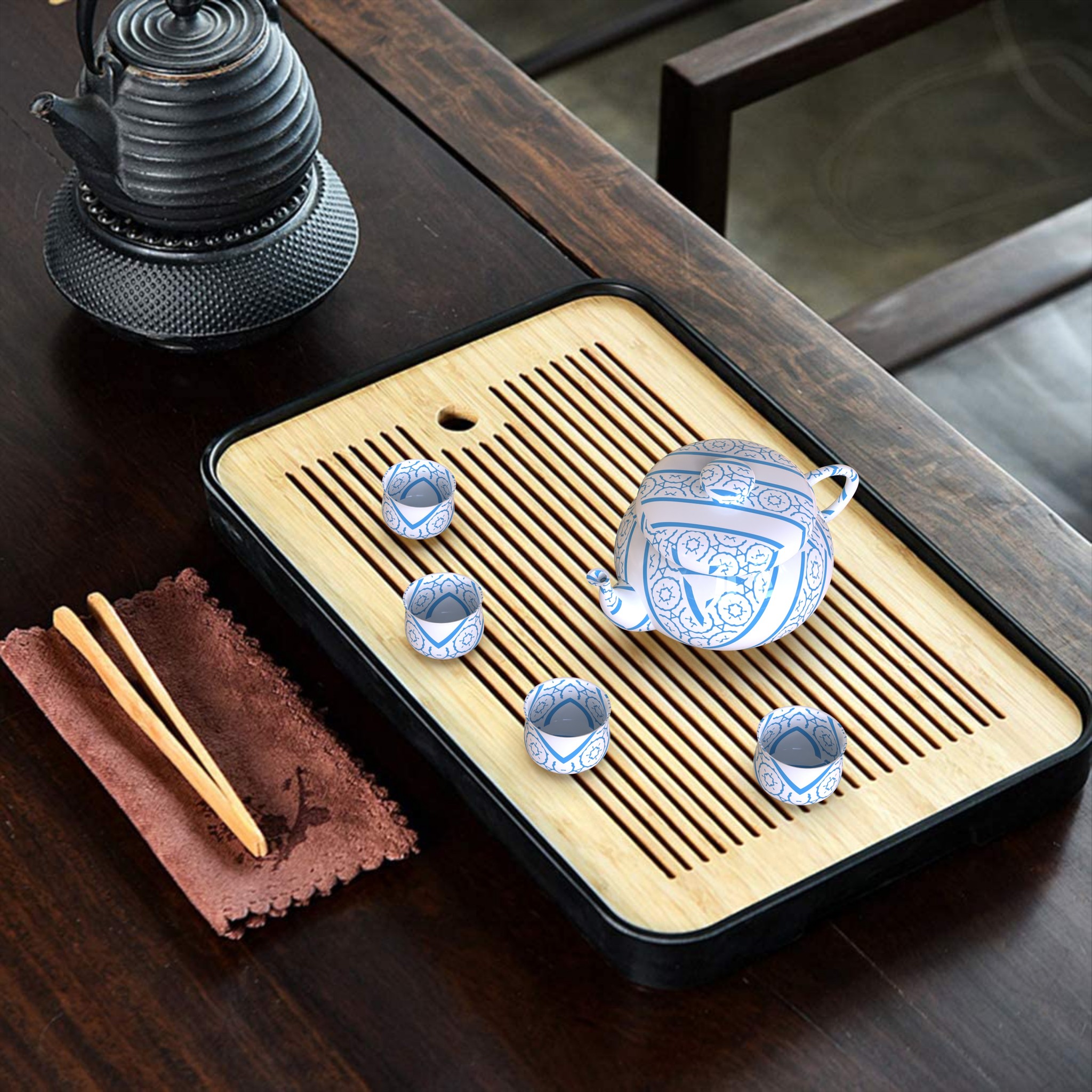
I would like to design a coffee maker that is integrated with Chinese tea culture and Chinese teapot styling. Such a coffee maker can make coffee drinking to a more elegant and formal way, just like Chinese tea culture. The coffee maker may use materials like porcelain or glass and it will mimic the style of the traditional Chinese teapot including a coffee filter.
I would like to design a coffee maker that is integrated with Chinese tea culture and Chinese teapot styling. Such a coffee maker can make coffee drinking to a more elegant and formal way, just like Chinese tea culture. The coffee maker may use materials like porcelain or glass and it will mimic the style of the traditional Chinese teapot including a coffee filter.
©2025 phoenix lyu
Go Back To Top
Go Back To Top
Go Back To Top
Go Back To Top
©2025 phoenix lyu